AB 2927 rollout support
Your course starts in 2027–28. Your teachers start sooner.
Every California high school must offer a one-semester personal finance course starting in 2027–28, and the class of 2031 has to pass it to graduate. Many of the teachers assigned to it haven't taught personal finance before. Tyler helps districts, county offices, and charters get from the law to a course that runs well: the plan, the teachers, and the first semester.
The timeline
What the law asks, and when.
2027–28
Every California high school offers a one-semester personal finance course.
Class of 2031
Students must pass the course to graduate.
Before then
Placement, staffing, A-G approval, the master schedule, and teachers ready to teach it.
Three ways to work together
The plan, the teachers, and the first semester.
The work fits whichever curriculum your district chooses. The Launchpad is one free option among several.
01
Readiness Session
Assistant superintendents, principals, and counselors
Where the course fits (standalone, or replacing economics under AB 121), staffing and credentials, UC A-G approval, the master schedule, a side-by-side of free curricula, and a draft board presentation.
90 minutes virtual, or a half day on site
02
Teacher Bootcamp
The teachers assigned the course
Content teachers can stand on for every required topic, with extra depth on taxes, investing, credit, and insurance; how to lead money conversations with students from every background; and a first-semester pacing plan.
A hybrid cohort of 15 to 25, in summer or on Saturdays
03
Year-One Coaching
The same teachers, during their first semester
A monthly meeting to plan the next unit, work through what's hard, and look at student work together.
Virtual, evenings
Pricing
Pricing depends on your district's size and timeline. Email to ask for a quote.
Who you'd work with
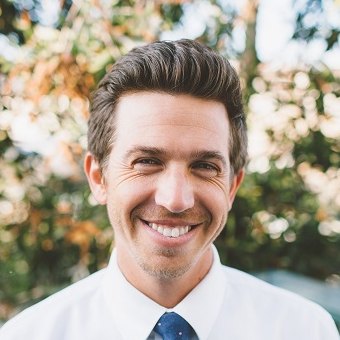
Tyler Hensley
Tyler has taught high school for 17 years, most of them in California. He designed his district's personal finance graduation course and exam, built a personal finance elective that grew to four sections, and consulted for Stanford's Personal Finance Teacher Training Institute. He studied finance at USC and began his career in wealth management at UBS.